

What to Expect From Ketamine Infusion Therapy
What to Expect From Ketamine Infusion Therapy: Understanding the Process, Benefits, and Patient Experience
bdevs Info Box Sub TitleKetamine infusion therapy delivers controlled doses of ketamine intravenously to unlock rapid relief for treatment-resistant depression, anxiety, PTSD and other psychiatric disorders. Readers will discover how this innovative MedicalProcedure works, what to anticipate during each session, the spectrum of potential benefits and side effects, cost considerations, and candidacy criteria. Backed by the expertise of Ketamine Healing Group, this guide covers:
- Mechanism & Purpose – How ketamine modulates NMDA receptors and promotes neuroplasticity
- Infusion Journey – Preparation, sensations, monitoring, and after-care
- Therapeutic Value – Rapid antidepressant effects, brain repair, condition-specific outcomes
- Safety & Risks – Common side effects, rare complications, clinic protocols
- Cost & Coverage – Pricing, insurance, payment options
- Eligibility – Who benefits most and who should avoid treatment
This article unifies all themes under one clear framework for understanding ketamine infusion therapy.
What Is Ketamine Infusion Therapy and How Does It Work?
bdevs Info Box Sub TitleWhat is ketamine infusion therapy and its purpose?
bdevs Info Box Sub TitleKetamine infusion therapy is a MedicalProcedure that administers intravenous ketamine to rapidly reduce symptoms of psychiatric disorders by blocking NMDA receptors in the brain. This mechanism interrupts maladaptive neural circuits, leading to improved mood and cognition within hours. For example, individuals with severe depression often report measurable symptom relief after the first infusion. Understanding this therapy’s rapid-acting potential lays the groundwork for exploring its detailed process and patient experience.
How does ketamine affect the brain and NMDA receptors?
bdevs Info Box Sub Title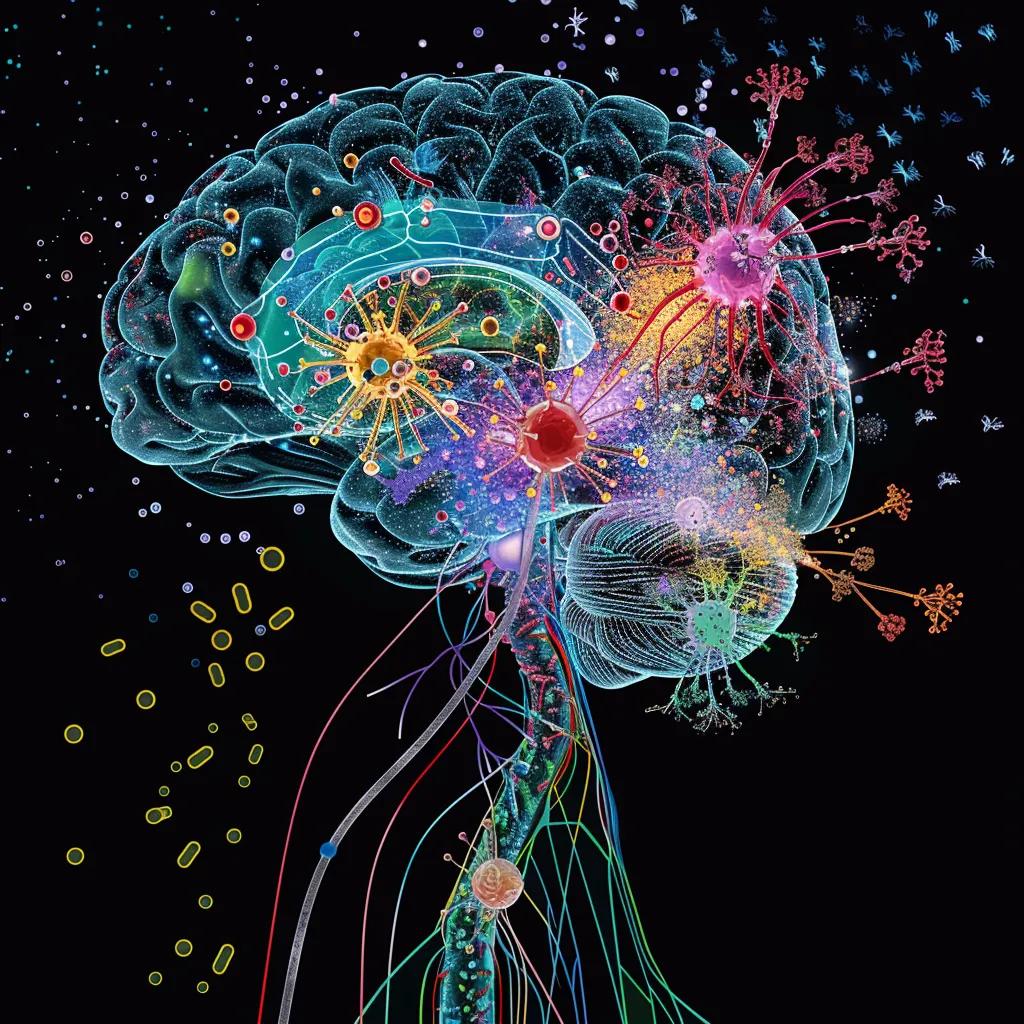
Ketamine functions as an NMDA Receptor antagonist, preventing excessive glutamate activity that contributes to depressive symptoms. By modulating these receptors, ketamine triggers a surge in Brain-Derived Neurotrophic Factor (BDNF), which supports synaptic growth and neuroplasticity. Enhanced neural connectivity follows, repairing circuits disrupted by chronic stress or trauma and fostering long-term resilience.
Ketamine's Mechanism of Action
bdevs Info Box Sub TitleKetamine functions as an NMDA receptor antagonist, which can lead to the release of brain-derived neurotrophic factor (BDNF). This process supports the growth of synapses and neuroplasticity, potentially repairing circuits disrupted by chronic stress or trauma.
This research supports the article’s explanation of how ketamine affects the brain and its potential benefits for mental health conditions.
Which mental health conditions does ketamine infusion treat?
bdevs Info Box Sub TitleKetamine infusion therapy treats multiple PsychiatricDisorder categories:
- Major depressive disorder, including Treatment-Resistant Depression
- Generalized anxiety disorder and panic disorder
- Post-Traumatic Stress Disorder (PTSD)
- Bipolar depression
Each condition benefits from ketamine’s rapid symptom relief and capacity to rewire dysfunctional neural pathways, offering hope when conventional treatments fall short.
What is the role of ketamine-assisted psychotherapy (KAP) in treatment?
bdevs Info Box Sub TitleKetamine-Assisted Psychotherapy (KAP) combines infusion sessions with structured psychotherapy to maximize therapeutic outcomes. During KAP, clinicians integrate insights from altered states of consciousness to accelerate emotional processing and cognitive restructuring. Patients at Ketamine Healing Group often follow infusions with guided psychotherapy to consolidate gains and promote sustained recovery. Learn more about this integrative approach on the Ketamine-Assisted Psychotherapy (KAP) – Ketamine Healing Group page.
What Happens During the Ketamine Infusion Process?
bdevs Info Box Sub TitleHow do you prepare for a ketamine infusion session?
bdevs Info Box Sub TitlePreparation begins with a comprehensive medical and psychiatric consultation to establish eligibility and baseline vital signs. Patients are instructed to fast for two hours before treatment and to avoid stimulants or depressants. Clear pre-Infusion guidelines ensure safety and comfort, setting the stage for an optimal therapeutic experience.
What sensations and experiences occur during the infusion?
bdevs Info Box Sub Title
Infusion sensations vary from mild dissociation—such as feeling “spaced out” or observing thoughts from a distance—to enhanced sensory perception, warmth, or waves of euphoria. These experiences typically begin within minutes and last for the 40–60-minute infusion. While some patients find the journey deeply introspective, others describe it as a floating or dream-like state.
How is the infusion monitored for safety?
bdevs Info Box Sub TitleContinuous clinical supervision ensures safety throughout the infusion. Registered nurses monitor blood pressure, heart rate, and oxygen saturation at regular intervals. An anesthesiologist or trained clinician remains on standby with emergency equipment, maintaining a secure environment until vital signs stabilize and the patient returns to baseline.
What should patients expect after the infusion session?
bdevs Info Box Sub TitleAfter the infusion, patients spend 30–45 minutes in a calm recovery area while clinicians monitor vital signs and cognitive orientation. Most individuals resume normal activities within a few hours, though rest is recommended. Follow-up integration sessions help process insights and reinforce therapeutic gains before scheduling the next infusion.
What Are the Potential Benefits of Ketamine Infusion Therapy?
bdevs Info Box Sub TitleHow quickly can ketamine infusion relieve depression and anxiety symptoms?
bdevs Info Box Sub TitleKetamine infusion therapy delivers relief within 4–24 hours, outperforming standard antidepressants that require weeks to take effect. This rapid antidepressant effect can interrupt cycles of suicidal ideation and severe anxiety, providing a critical window for additional therapeutic interventions.
How does ketamine promote neuroplasticity and brain repair?
bdevs Info Box Sub TitleBy antagonizing NMDA receptors, ketamine initiates a cascade that elevates BDNF and mTOR signaling pathways. These molecular events encourage synaptogenesis—the formation of new neural connections—and reverse stress-induced atrophy in brain regions linked to mood regulation, such as the prefrontal cortex and hippocampus.
What benefits does ketamine offer for treatment-resistant depression?
bdevs Info Box Sub TitleFor treatment-resistant depression, ketamine’s unique mechanism offers hope when traditional selective serotonin reuptake inhibitors and other therapies fail. Patients often report a 50–70 percent reduction in depressive symptoms, enabling improved daily functioning and quality of life.
Ketamine for Treatment-Resistant Depression
bdevs Info Box Sub TitleKetamine has shown promise in treating treatment-resistant depression, with some studies reporting significant reductions in depressive symptoms. This rapid antidepressant effect can provide a critical window for additional therapeutic interventions.
This citation supports the article’s claims about ketamine’s effectiveness in treating depression when other treatments have failed.
Are there additional benefits for PTSD and bipolar disorder?
bdevs Info Box Sub TitleKetamine’s ability to disrupt entrenched trauma memories supports symptom reduction in PTSD, leading to less hypervigilance and flashbacks. In bipolar depression, infusions can stabilize mood more quickly than mood stabilizers alone, reducing the risk of depressive relapse without triggering mania when properly supervised.
What Are the Common Side Effects and Risks of Ketamine Infusion?
bdevs Info Box Sub TitleInfusion-related safety depends on recognizing typical side effects, rare risks, and stringent clinic protocols.
What are the typical side effects during and after infusion?
bdevs Info Box Sub TitleBefore examining side-effect details, note that clinical oversight minimizes adverse responses. Common effects include:
| Entity | Attribute | Value |
|---|---|---|
| Dissociation | Onset | During infusion; resolves within hours |
| Nausea | Intensity | Mild to moderate; managed with antiemetics |
| Blood pressure change | Magnitude | Temporary elevation; monitored continuously |
Side Effects and Safety of Ketamine Infusion
bdevs Info Box Sub TitleCommon side effects of ketamine infusion include dissociation, nausea, and temporary blood pressure changes. Rigorous screening protocols and continuous monitoring by medical professionals are essential to ensure patient safety during treatment.
This citation provides evidence for the common side effects and the importance of safety protocols during ketamine infusion therapy, as discussed in the article.
These transient effects rarely persist beyond the recovery period and are managed by medical staff.
What are the rare or long-term risks associated with ketamine therapy?
bdevs Info Box Sub TitleRare or long-term considerations include bladder irritation (cystitis), cognitive deficits at high cumulative doses, and potential for misuse outside clinical settings. Adhering to prescribed schedules and dosage limits mitigates these risks.
How does the clinic ensure patient safety during treatment?
bdevs Info Box Sub TitleRigorous screening protocols assess cardiovascular health, substance use history, and contraindications. Throughout each infusion, an interdisciplinary team monitors vital signs, sedation levels, and psychological responses. Emergency equipment and protocols remain in place until full recovery.
Who Is a Good Candidate for Ketamine Infusion Therapy?
bdevs Info Box Sub TitleWhat are the eligibility criteria for ketamine infusion?
bdevs Info Box Sub TitleIdeal candidates have a confirmed diagnosis of major depression, anxiety disorders, PTSD or bipolar depression and have not responded to at least two prior antidepressant or psychotherapy trials. Stable physical health and absence of uncontrolled hypertension are also required.
Who should avoid ketamine infusion therapy?
bdevs Info Box Sub TitleIndividuals with uncontrolled cardiovascular conditions, active substance use disorders, untreated psychosis, or during pregnancy should not pursue ketamine infusions due to increased safety risks.
How is patient suitability assessed before treatment?
bdevs Info Box Sub TitleA multidisciplinary evaluation includes psychiatric assessment, medical history review, laboratory testing, and risk-benefit counseling. This thorough screening process ensures personalized treatment planning and optimal patient safety.
What Are Frequently Asked Questions About Ketamine Infusion Therapy?
bdevs Info Box Sub TitlePatients often seek clarity on the infusion experience, regimen, safety profile, and how ketamine compares to alternate treatments.
What does ketamine infusion feel like during treatment?
bdevs Info Box Sub TitleDuring an infusion, patients often feel a mild dissociative state characterized by floating or altered perception of time. Sensations vary but typically include warmth, lightheadedness, and relaxed mental space.
How many ketamine infusions are typically needed?
bdevs Info Box Sub TitleA standard course involves six infusions over two to three weeks. Maintenance infusions may be scheduled monthly or bi-monthly based on individual response.
Is ketamine infusion therapy safe for long-term use?
bdevs Info Box Sub TitleLong-term safety data remain limited, but maintenance protocols with lower dosing and extended intervals have shown favorable safety profiles and sustained relief without significant accumulation risks.
How does ketamine infusion compare to other treatments like TMS or ECT?
bdevs Info Box Sub TitleKetamine offers more rapid symptom relief than Transcranial Magnetic Stimulation (TMS) and involves less anesthesia and cognitive side effects than Electroconvulsive Therapy (ECT). Infusions also provide a less invasive, outpatient-friendly option.
What should patients expect in terms of recovery and follow-up care?
bdevs Info Box Sub TitlePost-infusion recovery includes 30–60 minutes of observation followed by rest at home. Integration appointments with psychiatrists or therapists reinforce insights, monitor mood changes, and plan maintenance infusions as needed.
Intravenous ketamine infusion therapy at Ketamine Healing Group blends rapid-acting neuroplastic benefits with comprehensive safety protocols overseen by licensed clinicians. Prospective patients are encouraged to schedule a consultation to explore this innovative treatment and complementary options such as Stellate Ganglion Block (SGB) for PTSD or supportive NAD+ Therapy in Florida. This approach promises personalized relief for those facing mood disorders resistant to conventional care. If you seek an alternative path to mental wellness, contact Ketamine Healing Group today to begin your journey toward recovery.